Voyage Analysis
Reconstruct and Analyze Past Voyages
Access up to 2 years of historical vessel positions to analyze routes, verify claims, investigate incidents, and optimize future voyages.
Free Trial Available
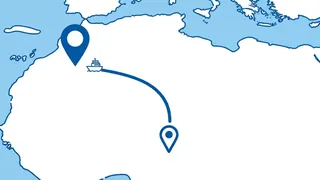
How It Works
Historical vessel data transforms how maritime organizations investigate incidents, verify claims, and optimize operations. Here's how to leverage voyage history for actionable insights.
1
Query Historical Positions
Query Historical Positions
Retrieve vessel positions for any date range within the past 2 years. Specify the vessel by IMO or MMSI and define your time window of interest.
Uses: Historical Track APIData Retrieved
Position coordinatesTimestampsSpeed over groundCourse
2
Reconstruct the Route
Reconstruct the Route
Plot the vessel's path on a map to visualize the complete voyage. Identify stops, diversions, speed changes, and unusual patterns in the track.
Data Retrieved
Route visualizationWaypoint identificationDeviation detection
3
Analyze Port Calls
Analyze Port Calls
Identify every port the vessel visited during the period. See arrival and departure times, time spent in port, and berthing locations.
Uses: Port Calls APIData Retrieved
Port arrival/departureTime in portBerth information
4
Correlate with Events
Correlate with Events
Cross-reference vessel positions with known events such as reported incidents, weather conditions, or market movements to build a complete picture.
Uses: Weather APIData Retrieved
Weather at locationSea conditionsEvent correlation
5
Generate Reports
Generate Reports
Export voyage data for documentation, compliance reporting, or evidence packages. Create audit trails showing vessel movements over time.
Data Retrieved
Position logsVoyage summariesCompliance reports
Historical voyage data provides the evidence and insights needed for claims verification, incident investigation, route optimization, and compliance documentation.
From Query to Insight
How historical data flows through your analysis workflow.
input
Date Range Query
api
Historical Track API
api
Port Calls API
api
Weather API
output
Voyage Analysis
Input
Date Range Query
Data Docked APIs
Historical Track API
Port Calls API
Weather API
Output
Voyage Analysis
Your Systems
API Endpoints
Output
Start Analyzing Voyages
Access historical vessel data for route reconstruction and analysis
1
Identify Your Vessel
Locate the vessel using IMO number, MMSI, or vessel name search.
2
Define Your Time Window
Specify the date range for your analysis—up to 2 years of historical data available.
3
Retrieve Track Data
Query the API to get position coordinates, timestamps, speed, and course data.
4
Visualize and Export
Plot the voyage on a map, identify stops and patterns, and export for reporting.
What You Can Achieve
Typical outcomes when implementing this use case
2 Years
History Depth
Access positions going back 2 years
Minutes
Position Intervals
High-resolution track data
Global
Coverage
Worldwide vessel tracking history
Any Vessel
Query Scope
Search by IMO or MMSI
Want to learn more about maritime data?
Explore our guides and documentation
Explore Other Use Cases
See how other industries use maritime data
Ready to Analyze Voyage History?
Access 2 years of historical vessel positions for your analysis needs.